




Kalamkari is an ancient textile printing art form that evolved about 3000 years ago in the state of Andhra Pradesh Kalamkari, also commonly spelled as qalamkari,[1] is an ancient textile printing art, that finds its roots in the Indian state of Andhra Pradesh. Kalam implies ‘pen’ and Kari means ‘art’, a name given by the Mughals when they discovered the art during their reign over the Deccan region. Only natural dyes are used in Kalamkari, which involves twenty-three steps. There are two main styles of Kalamkari in India. The hand painted style that is largely practised in the town of Srikalahasti and block printed that is practised in the town of Machilipatnam, both located in Andhra Pradesh Srikalahasti style of Kalamkari, where the “kalam” or pen is used for freehand drawing of the subject and filling in the colours, is entirely hand worked. It is produced in Srikalahasti of Tirupati district of Andhra Pradesh. Machilipatnam style of Kalamkari or Pedana Kalamkari work involves vegetable dyed block-painting of a fabric. It is produced at the town of Machilipatnam in Krishna district of Andhra Pradesh.
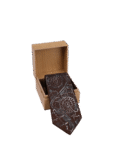
This distinctive tie moves beyond traditional Kalamkari, drawing inspiration from the intricate Srikalahasti design style. Hand-painted on rich dark brown raw silk, it features silver and blue pearl fabric colors that bring the motifs to life with a contemporary edge. The result is a refined fusion of heritage artistry and modern expression—an elegant statement piece for the discerning connoisseur.
The luxary section has kalamkari tie that needs to be added in this too
Reviews
There are no reviews yet.